
APK Does Not Install
The emulator Android version may not support the app, or the APK file may be damaged.
Learn whether Fake Lag APK can work on Android emulators for PC, what limitations to expect, how emulator networks differ from real phones, and safer testing tips.
Some users want to run Fake Lag APK on a PC through an Android emulator. This is a common question because APK files are made for Android, and emulators allow Android apps to run on Windows or Mac.
However, Fake Lag is related to latency simulation, and emulator network behavior is not the same as a real Android phone. Because of this, users should not expect the same results on PC as they may see on a physical Android device.
This guide explains what users should expect when trying Fake Lag on an Android emulator.
For the main app guide, visit Fake Lag APK Download for Android.
Fake Lag APK may run on PC if you use an Android emulator. An emulator creates a virtual Android environment on your computer.
However, running and working correctly are two different things. The app may install, but some features may not behave as expected because emulators handle network activity differently.
Fake Lag is mainly designed for Android phones, so emulator support should be considered limited.
An Android emulator is software that allows users to run Android apps on a computer. It creates a virtual phone or tablet environment.
But emulators are not real phones. Their network, hardware, permissions, and background behavior can be different.
Users commonly use emulators for:
Fake Lag is connected with delay and latency behavior. On a real Android phone, network activity passes through Wi-Fi or mobile data. On an emulator, network activity passes through the computer’s internet connection and emulator software layer.
This difference can affect testing.
Because of these differences, results may not match real Android devices.
For phone and tablet support, read Fake Lag Android Compatibility and Device Requirements.
Possible emulator limitations include:
The general process is similar to installing any APK on an emulator.
If installation fails, the emulator may not support the APK or the file may be incompatible.
Basic steps:
Open your Android emulator.
Download or import the Fake Lag APK.
Drag and drop the APK into the emulator, if supported.
Wait for installation.
Open the app.
Check permissions.
Test with basic settings.
The emulator Android version may not support the app, or the APK file may be damaged.
The emulator may not allow the same network behavior as a real Android phone.
The emulator network layer may ignore or handle delay differently.
The app may not be stable in a virtual environment.
Emulators may handle permissions differently from real devices.
For common app fixes, read Fake Lag Not Working? Common Problems and Fixes.
| Factor | Android Phone | Android Emulator | | --- | --- | --- | | Network Type | Wi-Fi or mobile data | PC internet through emulator | | Signal Behavior | Real signal changes | Virtual network layer | | App Compatibility | Primary target | Not guaranteed | | Performance | Depends on phone | Depends on PC and emulator | | Testing Accuracy | More realistic | Less realistic | | Mobile Data Testing | Possible | Not real mobile data | | Background Behavior | Real Android system | Emulator-controlled |
For realistic Fake Lag testing, a real Android phone is usually better.
Emulator testing may still be useful in some cases.
But emulator testing should not be treated as proof that the app will work the same on a real Android device.
It can help users:
Emulator testing is not ideal when you need realistic network behavior.
For realistic testing, use a supported Android phone and a safe private environment.
It may not be useful for:
If your computer is slow, the emulator may lag by itself. This can confuse testing because you may not know whether the delay is caused by Fake Lag or by the emulator.
If the emulator is already slow, Fake Lag testing becomes unclear.
Emulator performance depends on:
Even on PC, APK files should be checked carefully.
For safety guidance, read Is Fake Lag APK Safe to Install on Android?.
Safety tips:
Using an emulator does not remove platform rules. If a game or online service does not allow external tools or abnormal connection behavior, do not use Fake Lag there.
Emulator usage should stay focused on learning, testing, and understanding app behavior.
For responsible use, read How to Use Fake Lag Responsibly Without Breaking Game Rules.
PC users should expect limited support. Fake Lag may install on some emulators, but full functionality is not guaranteed.
This realistic expectation prevents confusion.
The best expectation is:
Fake Lag APK may run on Android emulators, but users should not expect perfect PC support. Emulators use virtual network systems, which can make latency simulation behave differently from real Android phones.
For accurate testing, a real Android phone is usually better. Emulators are useful for basic app viewing, installation testing, and learning the interface, but not always for realistic network behavior.
For the main app guide, visit Fake Lag APK Download for Android.
You can also read Fake Lag on Wi-Fi vs Mobile Data: Connection Behavior Guide and Fake Lag Android Compatibility and Device Requirements.
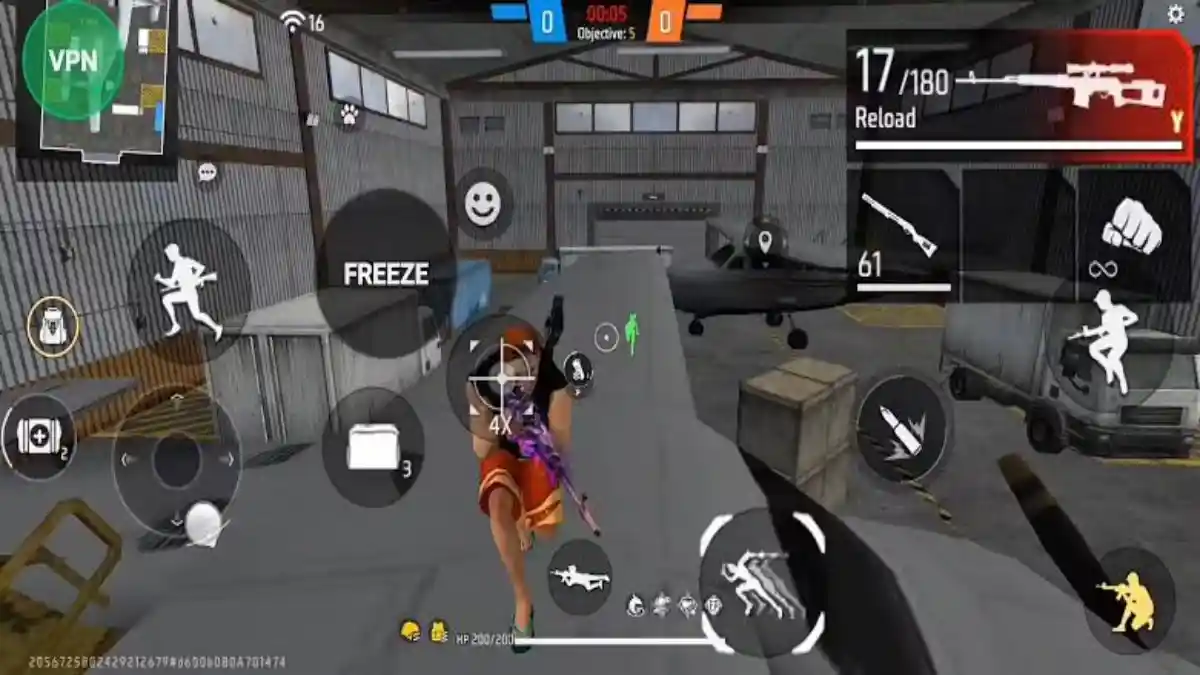
Learn what Fake Lag is, how it works on Android, why users search for Fake Lag APK, and what to know before using latency simulation tools responsibly.
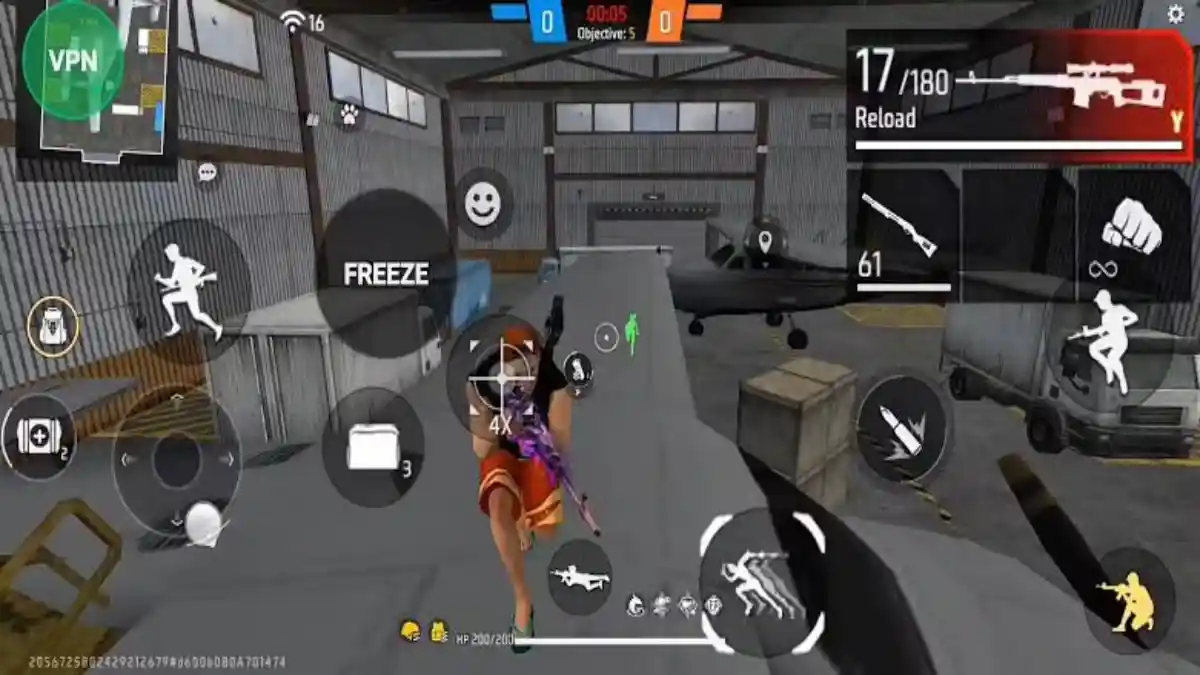
Learn Fake Lag Android compatibility, required Android version, supported devices, storage needs, APK installation requirements, and common device-related issues.
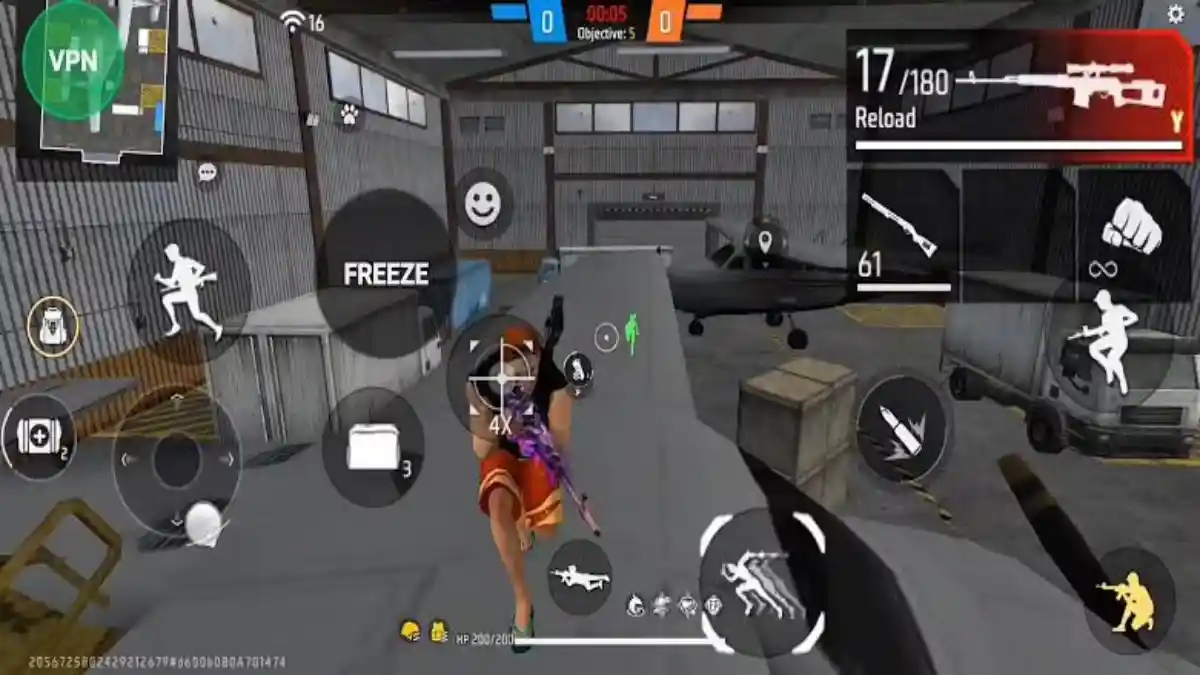
Fix common Fake Lag APK problems on Android, including installation errors, app crashes, settings not working, permission issues, compatibility problems, and update errors.