
App Closes Automatically
Battery optimization may be stopping it.
Learn how Fake Lag may affect battery, storage, background activity, Android performance, app stability, and what settings users should check for smoother use.
Fake Lag is not a heavy game, but Android users should still understand battery, storage, and background activity before using it. Many APK tools may behave differently depending on phone settings, battery saver mode, available storage, and background restrictions.
If Fake Lag closes automatically, does not respond, drains battery, or fails to stay active, the reason may be connected with Android system management rather than the app itself.
This guide explains how battery, storage, and background activity can affect Fake Lag on Android.
For the main app guide, visit Fake Lag APK Download for Android.
Android phones control apps to protect performance and battery life. If a tool needs to stay active while testing, Android battery settings may interfere.
Storage also matters because APK files need space for installation and app data. If your device storage is almost full, installation or app stability may suffer.
These settings can affect whether the app works smoothly.
Fake Lag users should check:
Fake Lag may use battery when active, especially if it runs in the background or keeps a status process running. Battery usage depends on your device, settings, and how long the app stays active.
If you use the app briefly for testing, battery impact may be small. If you leave it active for a long time, Android may show increased battery usage.
Good practice:
Battery saver mode can limit app activity. If Fake Lag does not work properly, battery saver may be blocking it.
If you are testing Fake Lag, turn off battery saver temporarily. After testing, you can turn it back on.
Battery saver can:
Some Android phones are strict with background apps. They may close Fake Lag automatically if the system thinks it is using resources.
This is common on phones from Xiaomi, Oppo, Vivo, Realme, Samsung, Infinix, Tecno, and other brands with strong battery management.
To check background activity:
Open Settings.
Go to Apps.
Select Fake Lag.
Open Battery settings.
Allow background activity if needed.
Remove the app from deep sleep if available.
Only change settings if you understand them.
Some Android phones have an auto-start option. If Fake Lag needs to remain available during testing, auto-start restrictions may affect it.
If the app closes after a restart or does not stay active, check whether your phone has auto-start management.
Do not enable auto-start for every app. Only allow it when needed.
Fake Lag APK is around 42 MB, but users should keep more free space than the file size alone. Android needs extra space for installation, cache, updates, and temporary files.
Before installing, clear unused files and apps.
For download details, read Fake Lag APK Download Information: Version, Size, and Package Details.
If your storage is almost full, you may face:
Cache helps apps store temporary data. Sometimes cache can become corrupted and cause problems.
Avoid clearing data unless you are ready to reset app settings.
If Fake Lag crashes or behaves strangely, clear cache:
Fake Lag may not be a large app, but RAM still matters. If too many apps are open, Android may close background tools to free memory.
Before testing, close unnecessary apps. This can improve stability.
A cleaner background environment makes testing easier.
Apps that may affect performance include:
If your phone becomes hot during use, Android may reduce performance or close apps. Heat can come from gaming, charging, mobile data, screen recording, or heavy multitasking.
Do not continue testing if the device is overheating.
If the phone heats up:
Manual APK updates can fail if storage is low. Before updating Fake Lag, make sure there is enough free space.
For update help, read Fake Lag APK Update Guide for Latest Version.
If update fails:
Even if Fake Lag can run in the background, users should not leave it active unnecessarily. Always turn it off after testing.
Leaving latency simulation tools active can confuse users because they may think their internet is naturally slow.
Good habit:
Battery optimization may be stopping it.
RAM may be low or the system may be restricting background activity.
The app may be active too long or other background apps may be running.
Update Fails
Storage may be low.
For broader fixes, read Fake Lag Not Working? Common Problems and Fixes.
These steps can improve app stability.
For smoother testing, use these settings carefully:
Fake Lag performance can be affected by battery saver, storage space, background restrictions, RAM, app cache, and Android optimization settings. Users should check these areas if the app closes, crashes, or does not work properly.
Fake Lag should only run when needed. Turn it off after testing and keep your Android device clean for better stability.
For the main guide, visit Fake Lag APK Download for Android.
You can also read Fake Lag Beginner Guide for First-Time Android Users and Fake Lag Not Working? Common Problems and Fixes.
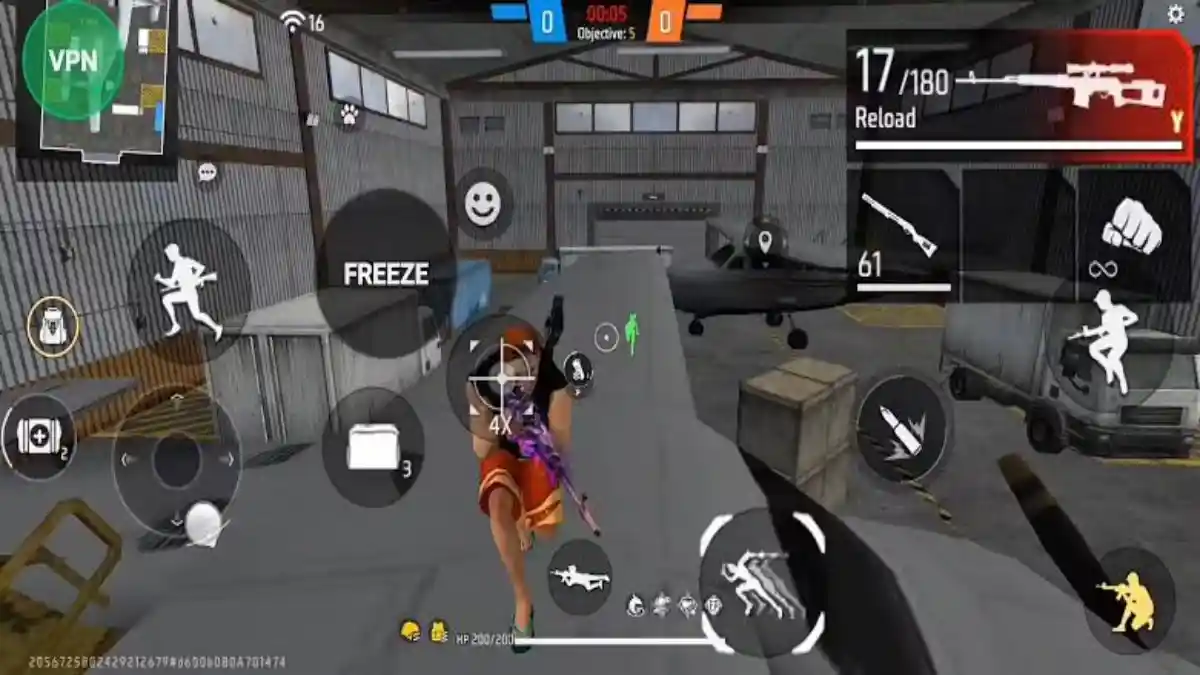
Learn what Fake Lag is, how it works on Android, why users search for Fake Lag APK, and what to know before using latency simulation tools responsibly.
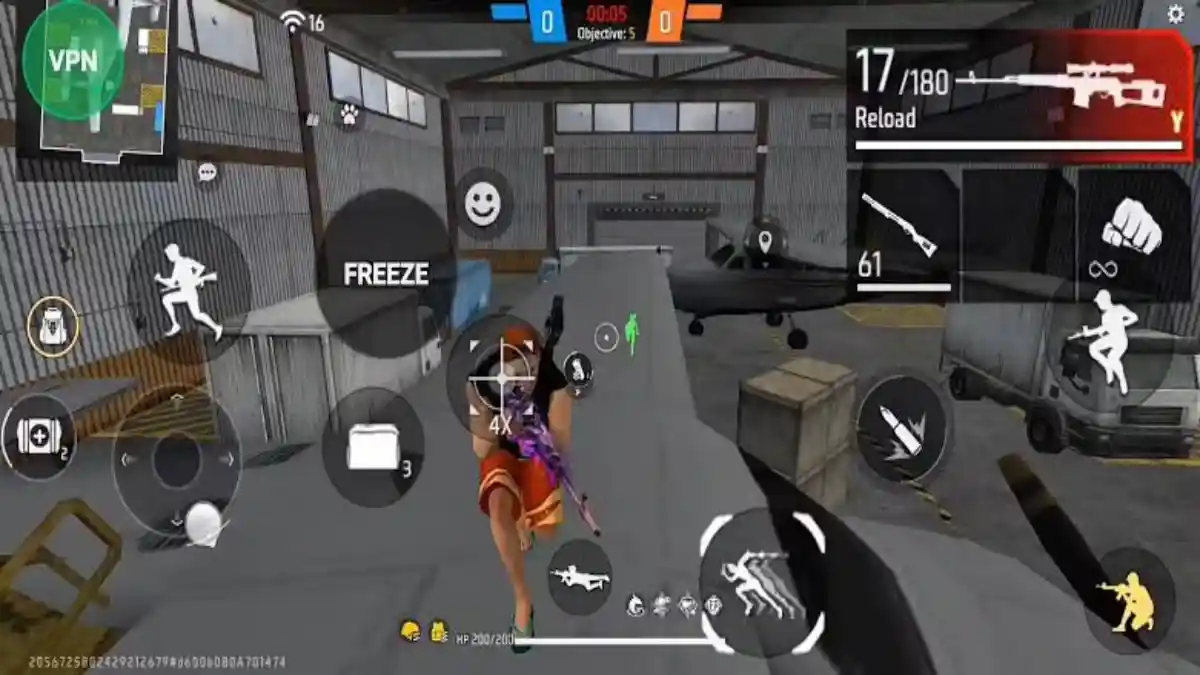
Learn Fake Lag Android compatibility, required Android version, supported devices, storage needs, APK installation requirements, and common device-related issues.
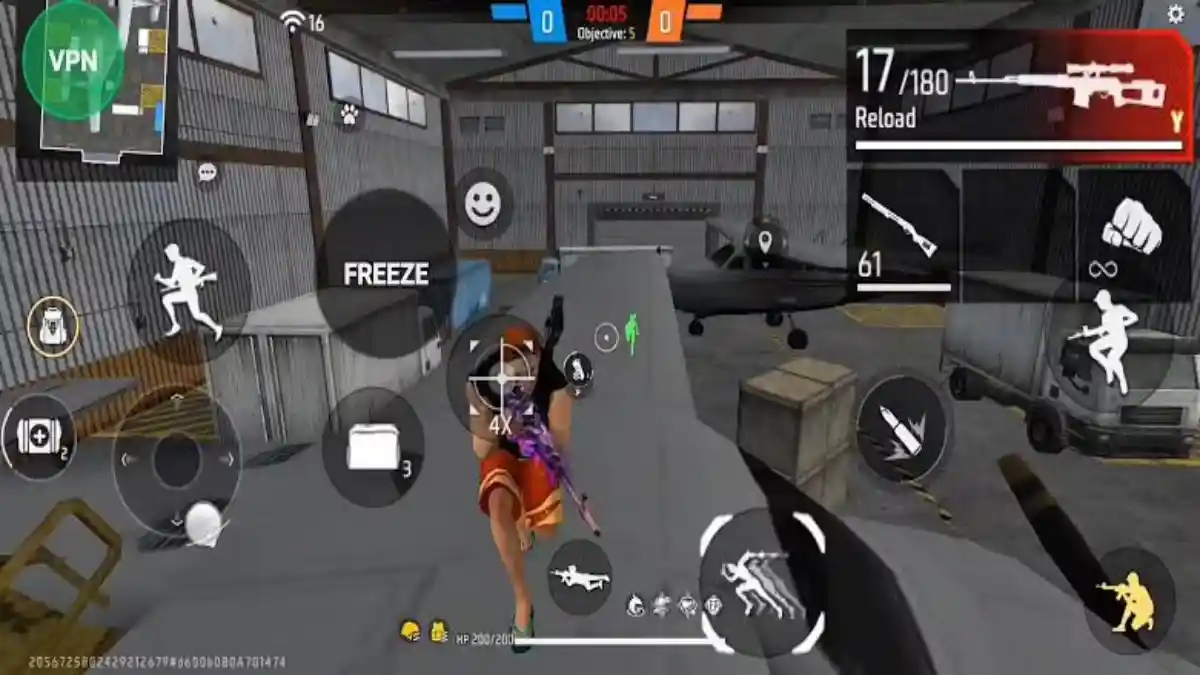
Fix common Fake Lag APK problems on Android, including installation errors, app crashes, settings not working, permission issues, compatibility problems, and update errors.